What Could Homeownership Mean for Your Long-Term Future?

Deciding whether to buy a home or continue renting is one of the biggest financial decisions many people make. There is no universal answer, and renting can make a lot of sense depending on your lifestyle, finances, career plans, and how long you expect to stay in one place.
However, for people who are financially prepared and planning to put down roots, homeownership can offer benefits that extend well beyond simply having a place to live. Over time, owning a home can provide stability, build equity, and become an important part of a family's overall financial picture.
Renting Offers Flexibility
Renting comes with several advantages that shouldn't be overlooked. For those who aren't sure where they want to live long term, renting can provide flexibility without the commitment of selling a property.
Mortgage Payments Can Build Equity
One of the most significant differences between renting and owning is what happens to your housing payment over time. When you own a home with a mortgage, part of each payment typically goes toward reducing your loan balance, increasing your ownership stake, or equity, in the property.
Homeownership Can Provide Long-Term Stability
For families, owning a home can offer a sense of permanence that renting sometimes cannot. A fixed-rate mortgage can keep the principal and interest portion of a monthly payment relatively consistent over the life of the loan.
A Home Can Become Part of a Family's Financial Future
A homeowner who stays in a property long enough to pay off the mortgage may eventually have a home that is owned free and clear, which can create a meaningful financial asset later in life.
The Bigger Picture
For those who are ready for the responsibility, homeownership can be more than simply buying a house. It can be a way to put down roots, build equity, create stability, and establish an asset that can remain valuable for years — and potentially generations — to come.
Simple Ways to Prepare Your Home for Cooler Weather

As summer winds down and fall settles in, it's a good time to give your home a little attention before cooler weather arrives.
Check Your Heating System
Before you actually need your heater, make sure it's ready to go, and replace or clean your HVAC filter.
Take a Look at Your Windows and Doors
Small gaps around windows and doors can allow heated air to escape. Replacing worn weatherstripping can be a relatively inexpensive way to improve comfort.
Clean Out Gutters and Downspouts
Before heavier fall and winter weather arrives, clear out leaves, twigs and debris from your gutters.
Inspect Your Roof
From the ground, look for missing, cracked or damaged shingles and consider having a professional take a closer look if needed.
Test Your Smoke and Carbon Monoxide Detectors
Test your detectors to make sure they are working properly, and replace batteries if necessary.
A little preparation now can help your home feel more comfortable, reduce energy waste, and catch minor problems before they become bigger ones.
Fall Spending Traps: How to Enjoy the Season Without Overspending

Fall can be one of the most enjoyable times of the year, but all those little seasonal activities can add up quickly.
Watch the "It's Only a Few Dollars" Purchases
Fall is full of limited-time treats and seasonal products designed to catch your attention. A few extra seconds of thought can help keep small purchases from becoming a larger monthly expense.
Plan for Fall Activities
Before committing to an activity, take a look at the total cost rather than just the ticket price, and look for free or inexpensive local events.
Don't Let Halloween Spending Sneak Up on You
Start planning early and decide what you actually need for costumes, candy and decorations.
Start Thinking About the Holidays
Take a look at your upcoming holiday expenses now and start setting aside money if you can.
A little planning can go a long way toward enjoying the season while keeping your spending on track.
Small Fall Habits That Can Make Your Days Feel More Organized
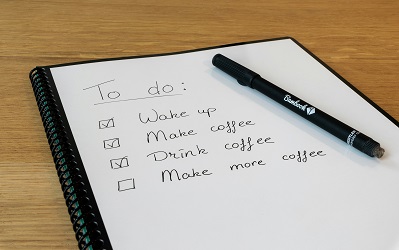
Fall often feels like a natural reset, making October a great time to look at the small habits that shape your day.
Start Each Day With a Short To-Do List
Try limiting your list to three or four important tasks so you have a clearer idea of what actually needs your attention.
Give Everything a Place
Creating a specific place for everyday items like keys and mail can save time and prevent frustration.
Spend 10 Minutes Resetting Your Home
Ten minutes in the evening putting things back where they belong can keep small messes from becoming bigger weekend projects.
Plan Tomorrow Before You Go to Bed
A few minutes of preparation at night can make the following morning feel much easier.
Clean Up Your Digital Life
Take a few minutes to clean up your phone or computer and organize the photos you've accumulated throughout the year.
As the days get shorter, October can be a great time to create a little more organization in your everyday life, one small habit at a time.